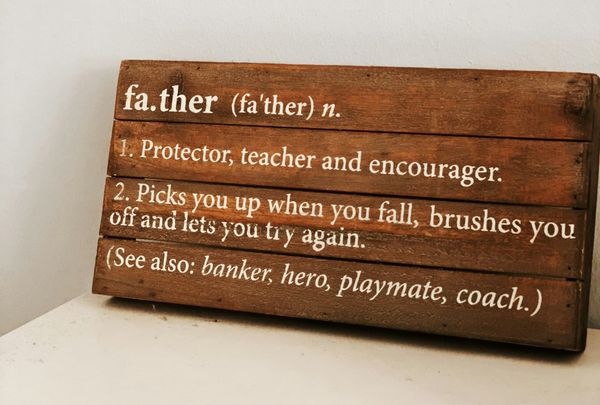
Fathers' Day 2026
My father died in May 2008 at the decent age of 84. He'd been steadily declining for the last 10 or so years but was from a generation that was stoically positive, resilient and extremely bloody minded. In the summer of 2007 his GP had told him that he wouldn't see Christmas so he bet him they would have a glass or red wine together at Easter. He held on through shear will power, won the bet and was gone a month later.
I learnt more from him in those last 10 years than the previous 34, as he shared stories I'd never heard, or maybe I'd never paid attention to because it was a dad story. For example, I knew he'd had a shrapnel injury in the chest in 1945, that the injured lung had got TB and been removed and that it had changed his life plans. What surprised me in around 2002 was the doctors had told him he would never get use of his left arm back as a result of the injury. When they told him that the bloody mindedness kicked in big time, he got hold of a tennis ball and he sat in bed for months building the strength in his arm. The story surprised me because I had never seen any sort of weakness in that arm. He'd proved them wrong.
Anyway, I got asked a brilliant question on Father's day:
What's the best gift your father ever gave you ?
My first thought went to the best physical gift he had given me, which was a Nikon FM2 manual 35mm SLR camera and a couple of lenses. I hadn't asked for it or told him I didn't want one of the more automatic cameras of the time, he'd just listened and planned and taken advice. Best Christmas present ever !
But that was just a thing. It got traded in years ago and I've been through a few cameras since because of the digital age. Once I'd completed the initial question and answer transaction, my brain started churning out a load of other stuff that weren't things. Life. A safe home to grow up in. Support and encouragement. Help when I needed it, including help with my first house. All brilliant and all way better than a camera. But all still relatively small in comparison to his wisdom and guidance in forming a set of beliefs and values to help me thrive in the 21st Century.
The wisdom of Geoff Martin
So, as it's father's day I thought that I would share some of the wisdom that I distilled from my father that as helped me, in the hope that it helps you find your way in this bonkers world of ours.
1️⃣
In the world of the blind the one eyed man is king.
My old man had a saying for everything, so they soon became embedded in my psyche and when I grew up I would quote him rather than just use them. At the start they were just things he said, until I started to see the wisdom in them.
This one comes with a health warning. If you want to be truly world class, olympic medal winner, world record holder etc., you don't want to to have this one near the top of your list. But if you want to do well in life and approach the world with a #DIBTYHT (do it better than you have to) attitude, it's a good one. It made me realise that you didn't have to be perfect at doing things, just a little bit better than those around you.
Confession time. I went to Exeter University and left with a first class honours degree in lifelong friends, smoking, drinking and doing barely enough to get by. I also got a 3rd class honours in Physics which, to be fair, was built around the fact that I'd done double maths at A level and the maths element of the degree got me just over the line. Plus I didn't have a career in mind and I wasn't going to pass muster as a physicist !
So I joined the Civil Service as an Executive Officer working in Information Technology. That's when the quote started to make sense. The thing is, no-one likes a smart arse who shows everyone around them up (I learnt that in my first casual job), but being that little bit better is ok. I'd work a little bit harder, do things better than they needed to be done, learned a bit more than everyone around me.
And it worked really well. As I got to understand the Civil Service ways more I learnt them a little bit better than most, I put a little bit more effort into building relationships and I got good at appreciating the capabilities of people around me and learning off them until I was a just little bit better. Or, if they were miles better and the effort wasn't worth it, I'd let them do the stauff they were brilliant at and I'd do the stuff they weren't so good at.
There is another health warning with this. Once you are the one eyed king in your world, you need to move to another world where you aren't. In the Civil Service that meant promotion, but these days it often means moving organisations. Remember, if you're the brightest one in the room, you're in the wrong room.
Time Management
My old man was a bit ahead of his time when it came to time management and work life balance and had a simple but powerful rule on how to separate things:
2️⃣
When I get up in the morning on a weekday I start thinking about work from the moment my eyes open. When I leave work in the evening by the time I get in the car I'm in home mode.
The reality was probably slightly different and he would use his 5 minute commute to get fully into and out of work mode, but you get the point. Fast forward to 2026, flexible working and communications being sent at all hours and the value of having this skill becomes obvious.
The thing that really brought it home to me was one of my work colleagues. He worked for me for a time and I had to approve his leave. He always took leave in 3 week chunks which I thought was a bit strange so, over coffee one day, I asked him why.
Well Mike, I find it hard to switch out of work mode and have found that 3 weeks is the optimum time if I want to really enjoy the leave. The first week allows me to decompress and fully relax. That allows me to fully enjoy the second week and then the third week lets me get my head back in to work.....
I was shocked ! I could understand that people can find it hard to switch off, but using 2/3 of your leave allowance to transition to and from work mode was bonkers. At the time (late 1990s) I was probably taking work home with me (in my head), but the old man's advice along with this revelation flicked a switch within me to get really really good at switching into and out of work mode.
Towards the end of my Civil Service career I'd got it down to a fine art. All forms of electronic alerts were switched off and I could pick the work phone up at any time, assess the inbox, respond as necessary and by the time the screen lock was back on I was out of work mode 👍.
Decisions, decisions, decisions
My old man worked for the electricity board in the days when there was only one in Wales. He had a few hundred people working for him and they all knew what to do. If someone came to see him, it was usually because they needed direction or a decision. He had a simple attitude to leadership and management.
3️⃣
If you're the boss the buck stops with you. People come to you for decisions and when they do you need to make the decision. So if someone comes to me for a decision they will have one there and then. It may not be the best decision in hindsight but you stand by it and take the flack if it's the wrong decision. If it's the right decision the credit can go to the team. My only other rule is that if the decision is going to impact on someone's life I will always sleep on it.
This one was a bit harder to implement in the Civil Service and for you it will depend on the organisation you work for. It didn't take me long to see the value of prompt decision making and how easy it is to get into a habit of waiting for more information or pushing it up the line.
The way I implemented it in my life was:
- In any decision making context (home, work, friends, etc.) I would establish what framework I was working in. What decisions could I reasonably make ? How could I stretch that if necessary (seeking forgiveness rather than permission - I suspect that was from the old man as well 🤔). If I do stretch it, do the benefits outweigh the risks ?
- What info do I need to make a good enough decision ? It is so easy to waste time seeking more and more evidence hoping to make the perfect decision when you can usually apply the 80/20 rule and get a good decision). Who has that info and how can I get it off them efficiently ?
- If I could get sufficient info and had the juice to make the decision or was willing to take the flak, I'd do it there and then. If someone's lfe was going to be impacted I'd take it home and sleep on it.
Did I get things right all the time ? Nope. Did I get my fair share of bollockings as a result ? Absolutely. Did we get some cool stuff done quickly ? We certainly did.
The wealth of stuff we don't share
So that one simple question allowed me to dredge up those three things (four really as I'm pretty sure seek forgiveness rather than permission was one of his) that I'd integrated into my life but hadn't really thought about for a while. It's given me a lovely trip down memory lane with my father that I wouldn't have had if that question hadn't been asked and I'm typing away with a wry smile on my face thinking about him.
But the question got me thinking a bit wider and a bit bigger. It got me thinking about how powerful the right question can be, particularly in a wellbeing context. If you can ask the right question it can be the key that unlock's someone's power. It allows them to access the answers they already had, but they just didn't realise it. The right question can point out the bleeding obvious that wasn't obvious to you until that moment. The right question can reveal stuff that's been hiding in plain sight.
But I almost missed it. The right question needs you to give it the time and respect it deserves and for a moment I didn't do that. My brain did what it does well. It heard the question and quickly came up with the answer:
Nikon FM2 - Christmas 1982. Best present ever !
This was technically correct and completed the question/answer transaction. And in a world where we are overcome by #thebusyness, sometimes we get so transactional in our responses we can miss things. It also got me to thinking about how often I've done that in the past - been asked a really genius question and given a sub-standard transactional answer so that we could move on to the next thing ? And that got me thinking about how I can change that going forwards. Maybe, if I put more effort into it, every question I get asked will be the right question and unlock stuff that is just sitting there waiting for me to access it.
That's why I love writing this blog and working as part of the Art of Brilliance team. Every post on here and on social media, every workshop and keynote we deliver is about taking the opportunity to ask people the right questions which will help them unlock their brilliance and inspire them to live their best lives.
But even the most brilliant right question, perfectly phrased and delivered, only works when the listener allows it to get past the bouncer on the door of their mind that decides whether you just ignore it, give a quick transactional response, or give it more thought and let it unlock all that knowledge that we hold at an unconscious level.
So my challenge to you this week is to give two things a go:
1️⃣
Take some time after father's day to consider the question:
What's the best gift your father/mother ever gave you ?
Get past the transactional answer, take a bit of time and see what happens.
2️⃣
When you get asked a question this week, give it a bit more thought than you would normally do and see what happens. Even if it demands a transactional, simple answer, make a note and give it a bit more thought afterwards.
It will definitely take a bit more effort. It will probably use a bit more of your time. But you might find that the universe has been sending people to ask you the right questions to help you access the knowledge you already have, that will help you on the journey back to best self.
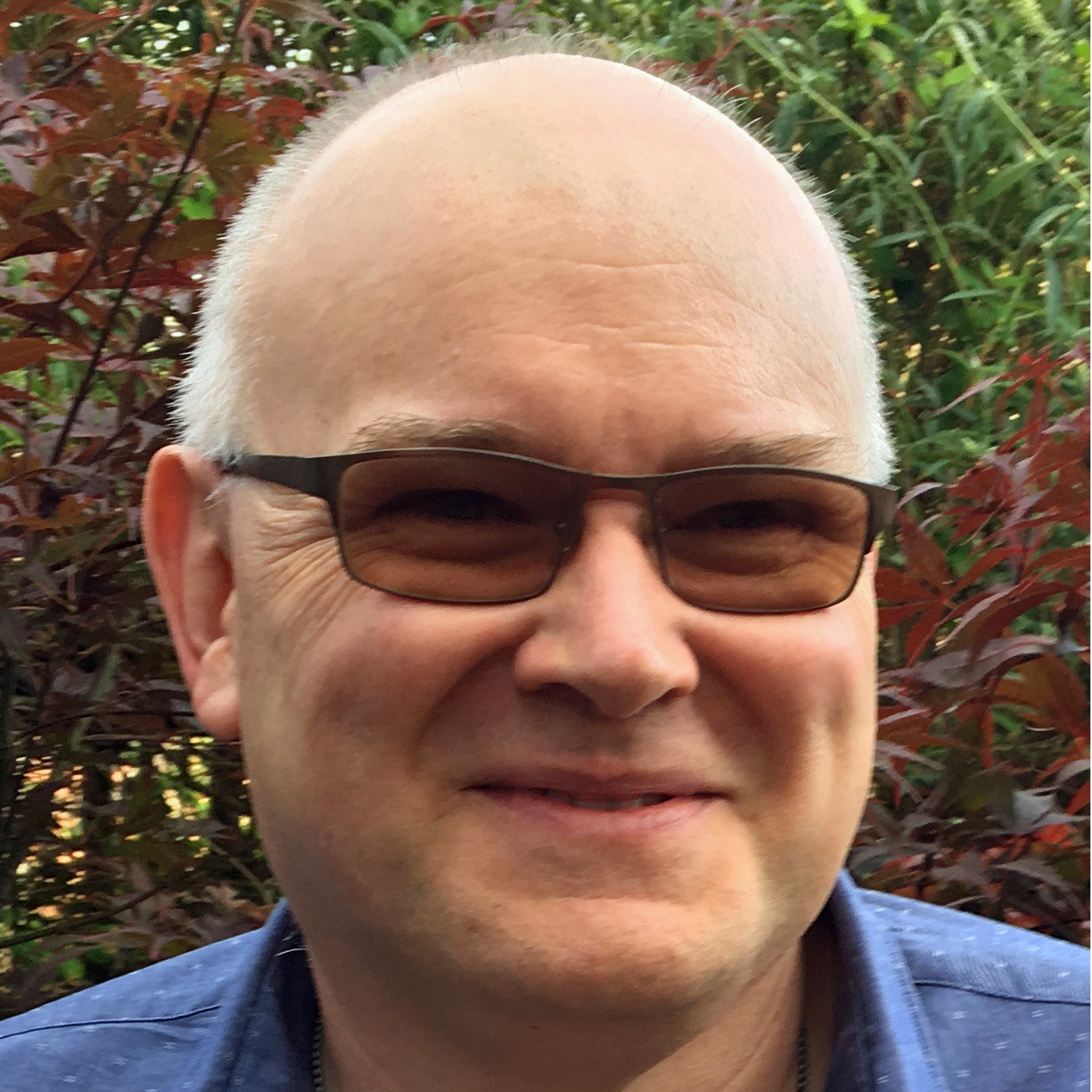
Mike xx